
Close Menu
  • Ακίνητα
  • Επικαιρότητα
  • Θεσσαλονίκη
  • Τουρισμός
  • Κρήτη
  • More
    • Editor’s Picks
    • Press Release
What's On
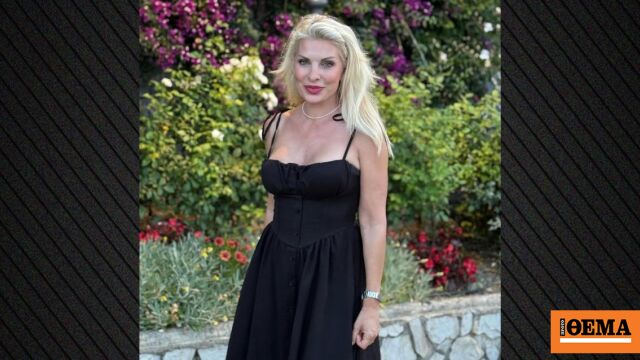
Οι φωτογραφίες της Ελένης Μενεγάκη από τις καλοκαιρινές της διακοπές με τον Ματέο Παντζόπουλο και την κόρη τους

Οι φωτογραφίες της Ελένης Μενεγάκη από τις καλοκαιρινές της διακοπές με τον Ματέο Παντζόπουλο και την κόρη τους

June 27, 2026
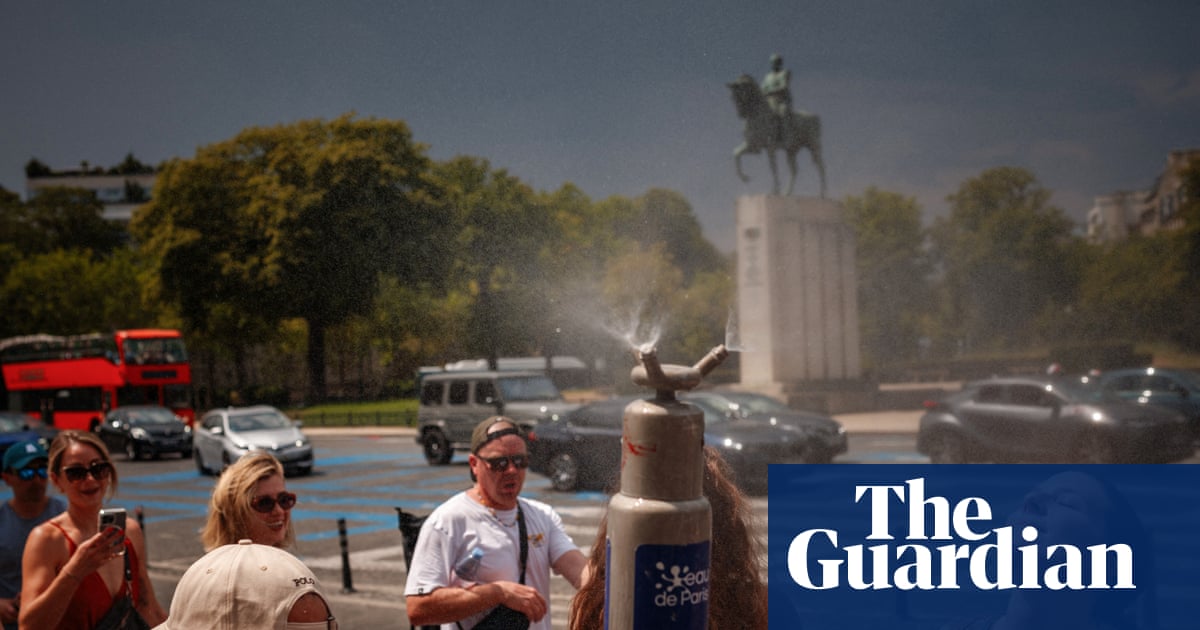
Τέταρτο νήπιο πέθανε στη Γαλλία καθώς η πρόβλεψη του βάναυσου καύσωνα στην Ευρώπη θα μετατοπιστεί ανατολικά | Ακραία ζέστη

Τέταρτο νήπιο πέθανε στη Γαλλία καθώς η πρόβλεψη του βάναυσου καύσωνα στην Ευρώπη θα μετατοπιστεί ανατολικά | Ακραία ζέστη

June 27, 2026
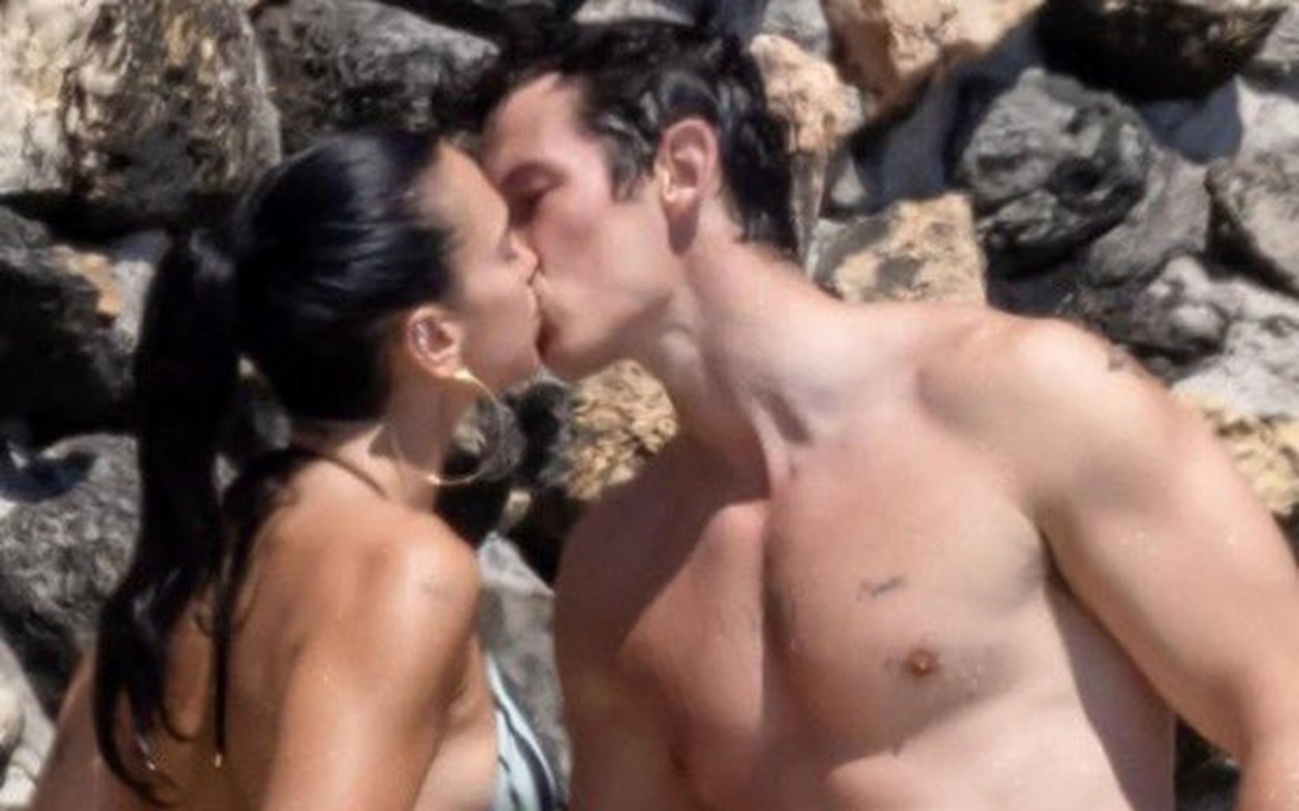
Ντούα Λίπα – Κάλουμ Τέρνερ: Καυτές εικόνες και φιλιά από τον μήνα του μέλιτος στην Ιταλία

Ντούα Λίπα – Κάλουμ Τέρνερ: Καυτές εικόνες και φιλιά από τον μήνα του μέλιτος στην Ιταλία

June 27, 2026
Ο Διεθνής Ναυτιλιακός Οργανισμός απομάκρυνε περίπου 2.500 ναυτικούς από τα Στενά του Ορμούζ προτού αναστείλει την επιχείρηση

Ο Διεθνής Ναυτιλιακός Οργανισμός απομάκρυνε περίπου 2.500 ναυτικούς από τα Στενά του Ορμούζ προτού αναστείλει την επιχείρηση

June 27, 2026
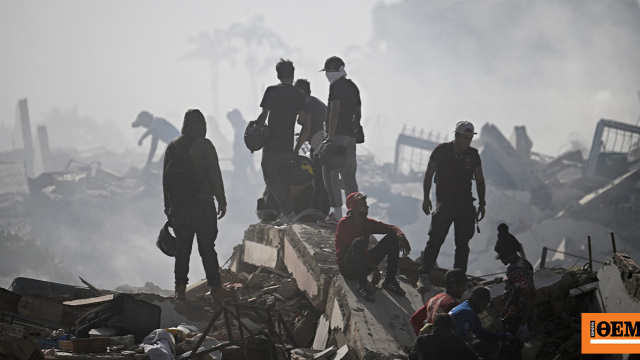
Μητέρα ψάχνει απεγνωσμένα τον γιο της στα χαλάσματα μετά τον φονικό σεισμό στη Βενεζουέλα

Μητέρα ψάχνει απεγνωσμένα τον γιο της στα χαλάσματα μετά τον φονικό σεισμό στη Βενεζουέλα

June 26, 2026
Facebook X (Twitter) Instagram
Facebook X (Twitter) Instagram Vimeo
Mahalsa: Η Φωνή της Ελλάδας
Subscribe Login
  • Ακίνητα
  • Επικαιρότητα
  • Θεσσαλονίκη
  • Τουρισμός
  • Κρήτη
  • More
    • Editor’s Picks
    • Press Release
Home » ‘Old age’ doesn’t kill us… scientists reveal true causes of death
Blog

‘Old age’ doesn’t kill us… scientists reveal true causes of death

By staffDecember 19, 20255 Mins Read
Facebook Twitter Pinterest Telegram LinkedIn WhatsApp Email VKontakte Tumblr
‘Old age’ doesn’t kill us… scientists reveal true causes of death
Share
Facebook Twitter LinkedIn Pinterest Email

Scientists have determined that nobody, not even a centenarian, dies of old age.

The traditional view is that ‘old age’ is a cause of death; that as a person gets older, their systems gradually decline and they die.

But new research from the German Center for Neurodegenerative Diseases posits that old age isn’t actually a true cause of death; it is just a time on a biological clock when specific diseases overwhelm the system and a person dies.

Researchers propose that the famous ‘Hallmarks of Aging,’ like lingering dead cells, damaged DNA and worn out chromosome caps might not be the direct killers, but rather the symptoms of the deeper aging process and a state of increased vulnerability to deadly diseases like heart failure. 

An analysis of 2,410 human autopsy reports identified the circulatory system as the body’s primary point of failure. The overwhelming cause of death was cardiovascular disease, heart attacks specifically, often undiagnosed until autopsy, accounting for 39 percent of all cases. 

Even among centenarians, people 100 years and older, seen overall as healthy, autopsies revealed that they didn’t die of ‘old age.’ Nearly 70 percent died from cardiovascular causes, a quarter from respiratory failure, and smaller percentages from other specific organ failures. 

This theory deals a major blow to the longevity industry, arguing that increasingly popular ‘anti-aging’ drugs do not slow aging; rather, they merely delay one particular disease. 

Even in people over 100 who seemed healthy, autopsies showed 70 percent died from heart problems, 25 percent from lung failure, and the rest from other specific causes. Not one died from ‘old age’ (stock image)

While heart attacks caused 39 percent of deaths, general heart or lung failure was behind 38 percent of deaths, stroke nearly 18 percent and blood clots in the lungs caused 10 percent. A major artery rupture accounted for just under 10 percent of deaths.

These percentages add up to more than 100 percent because many people had a combination of these issues; a heart attack led to heart failure, for instance. 

For humans, the Achilles’ heel isn’t aging, it’s the failure of the circulatory system. 

The hallmarks are not the direct cause of death on a death certificate. 

Instead, they are indicators of a body in a weakened state, which is then more likely to succumb to a diagnosable fatal disease like a heart attack, stroke or organ failure. 

The researchers said: ‘Aging research has long been shaped by assumptions that may not fully account for the complexity… of the aging process. One of the most persistent assumptions is that extending lifespan equates to slowing aging.

‘However… age-related mortality is often determined by a narrow set of life-limiting pathologies rather than by a generalized, systemic aging process. 

‘As a result, lifespan extension frequently reflects the delayed onset of specific diseases rather than a slowing of aging per se.’

The researchers argued that the foundation of anti-aging science is built on flawed logic. 

When they reviewed the key studies used to validate the ‘Hallmarks of Aging,’ they found that 57 percent to 100 percent of the experiments had only been tested in already-old animals, leaving a major gap in proof about whether targeting these hallmarks can actually slow aging from the start. 

Scientists, they argued, cannot tell if something slows aging or just treats symptoms in the already-old. Most studies only treat old animals, conflating disease treatment with aging modification.

In the few studies that included young animals, the treatment helped both young and old animals equally 72 percent of the time. This means it was just a general health boost, not something that changed the rate of aging.

For instance, one major hallmark is ‘zombie cells,’ which refer to damaged cells that stop dividing but do not die and instead linger in the body and release inflammatory chemicals, contributing to aging and diseases like Alzheimer’s, arthritis, cancer, and diabetes.

The claim is that these cells are a primary driver of aging itself. If true, removing them should not just make old bodies less sick, it should fundamentally slow down the rate at which multiple organs deteriorate over time.

To effectively study these interventions’ ability to slow the systemic deterioration that leads to disease-related deaths, the researchers argue that scientists should give experimental treatments to animals in middle age so that they can track decline as they age, not just when they’re already old and frail.

‘Biological clocks’ have emerged from this space, promising to predict people’s biological age and mortality risk based on data patterns, like DNA changes that turn certain genes on and off, that correlate with age.

But the researchers say that these clocks track biomarkers that change alongside aging, not necessarily ones that drive it. Changing one’s clock score might mean they have altered a sign of aging, but not necessarily the underlying process.

Share. Facebook Twitter Pinterest LinkedIn Tumblr WhatsApp Email

Related Posts

Ex-Immigration Minister slams Home Office for ‘defeatist’ attitude over Nigel Farage plans

Ex-Immigration Minister slams Home Office for ‘defeatist’ attitude over Nigel Farage plans

Blog February 14, 2026
Physiotherapist reveals the most common injuries caused by running… and who is most likely to get hurt

Physiotherapist reveals the most common injuries caused by running… and who is most likely to get hurt

Blog February 14, 2026
Migrant crisis: Meghan Gallacher blasts SNP as Scotland faces housing strain

Migrant crisis: Meghan Gallacher blasts SNP as Scotland faces housing strain

Blog February 14, 2026
Dietitians reveal the ‘super’ breakfast food to eat if you want to live longer

Dietitians reveal the ‘super’ breakfast food to eat if you want to live longer

Blog February 14, 2026
Traveller reveals how to avoid paying service and cleaning fees on Airbnb or Vrbo

Traveller reveals how to avoid paying service and cleaning fees on Airbnb or Vrbo

Blog February 14, 2026
Keir Starmer launches ‘devastating’ new attack on pubs leaving thousands on brink of closure

Keir Starmer launches ‘devastating’ new attack on pubs leaving thousands on brink of closure

Blog February 14, 2026
Our Picks
Τέταρτο νήπιο πέθανε στη Γαλλία καθώς η πρόβλεψη του βάναυσου καύσωνα στην Ευρώπη θα μετατοπιστεί ανατολικά | Ακραία ζέστη

Τέταρτο νήπιο πέθανε στη Γαλλία καθώς η πρόβλεψη του βάναυσου καύσωνα στην Ευρώπη θα μετατοπιστεί ανατολικά | Ακραία ζέστη

June 27, 2026
Ντούα Λίπα – Κάλουμ Τέρνερ: Καυτές εικόνες και φιλιά από τον μήνα του μέλιτος στην Ιταλία

Ντούα Λίπα – Κάλουμ Τέρνερ: Καυτές εικόνες και φιλιά από τον μήνα του μέλιτος στην Ιταλία

June 27, 2026
Ο Διεθνής Ναυτιλιακός Οργανισμός απομάκρυνε περίπου 2.500 ναυτικούς από τα Στενά του Ορμούζ προτού αναστείλει την επιχείρηση

Ο Διεθνής Ναυτιλιακός Οργανισμός απομάκρυνε περίπου 2.500 ναυτικούς από τα Στενά του Ορμούζ προτού αναστείλει την επιχείρηση

June 27, 2026
Μητέρα ψάχνει απεγνωσμένα τον γιο της στα χαλάσματα μετά τον φονικό σεισμό στη Βενεζουέλα

Μητέρα ψάχνει απεγνωσμένα τον γιο της στα χαλάσματα μετά τον φονικό σεισμό στη Βενεζουέλα

June 26, 2026
  • Facebook
  • Twitter
  • Pinterest
  • Instagram
  • YouTube
  • Vimeo
Don't Miss
Μπλόκο σε πλοίο στο λιμάνι του Βόλου με 12.300 λίτρα λαθραίων καυσίμων Θεσσαλονίκη

Μπλόκο σε πλοίο στο λιμάνι του Βόλου με 12.300 λίτρα λαθραίων καυσίμων

By staffJune 26, 20260

Ένα ακόμη σημαντικό πλήγμα στα κυκλώματα λαθρεμπορίας ναυτιλιακών καυσίμων πέτυχαν οι ελεγκτές του ΔΕΟΣ της…

Οι διάλογοι που έκαψαν τη συμμορία ναρκωτικών στη Μύκονο

Οι διάλογοι που έκαψαν τη συμμορία ναρκωτικών στη Μύκονο

June 26, 2026
Ένα σπάνιο τεκτονικό γεγονός σε μια ήδη εύθραυστη χώρα

Ένα σπάνιο τεκτονικό γεγονός σε μια ήδη εύθραυστη χώρα

June 26, 2026
Έτοιμοι για παραλία; Τα 5 must-have αξεσουάρ για τις φετινές διακοπές

Έτοιμοι για παραλία; Τα 5 must-have αξεσουάρ για τις φετινές διακοπές

June 26, 2026
Mahalsa: Η Φωνή της Ελλάδας
Facebook X (Twitter) Instagram Pinterest
  • Privacy Policy
  • Terms of use
  • Advertise
  • Contact Us
© 2026 Mahalsa. All Rights Reserved.

Type above and press Enter to search. Press Esc to cancel.

Sign In or Register

Welcome Back!

Login to your account below.

Lost password?